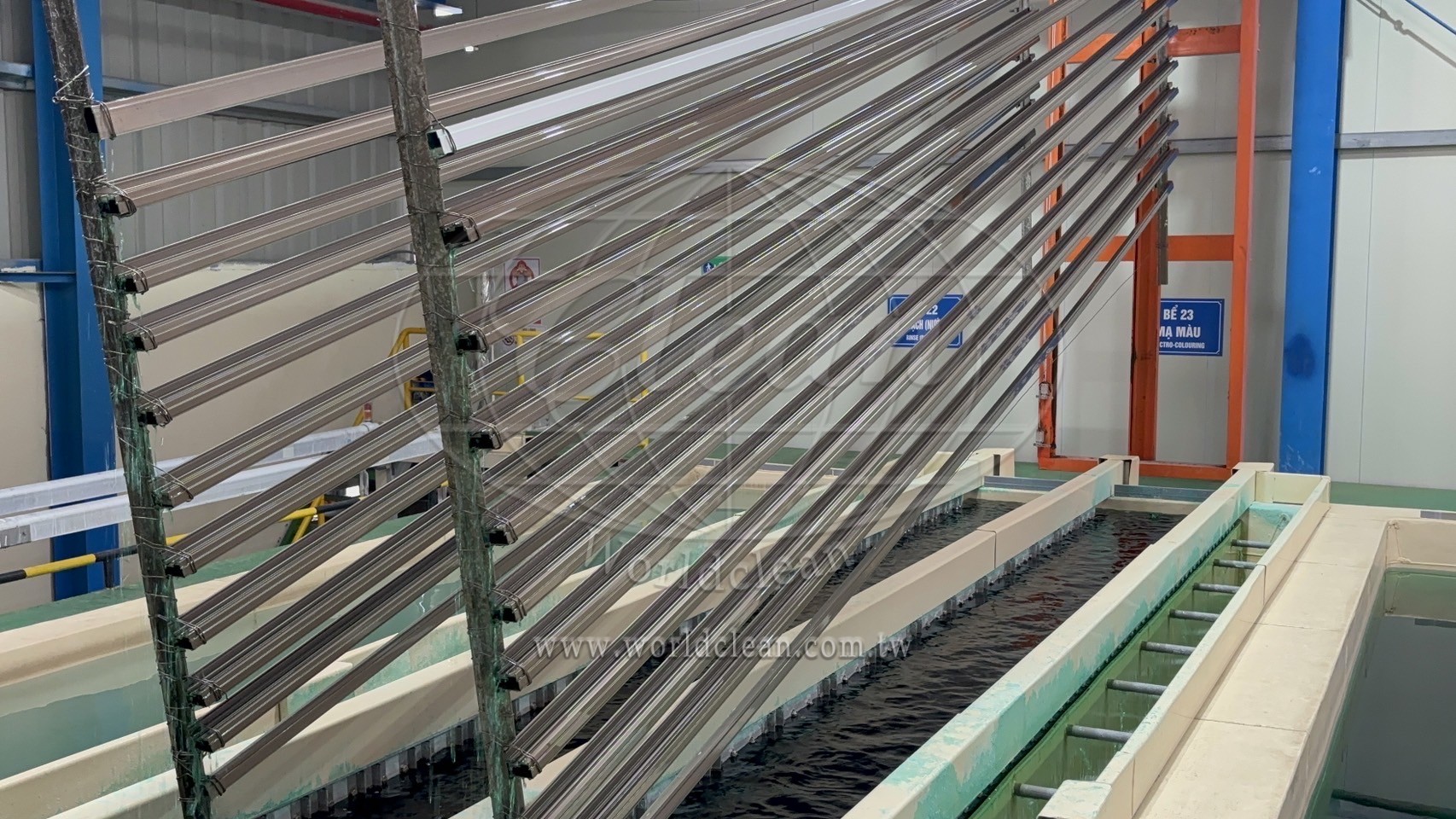
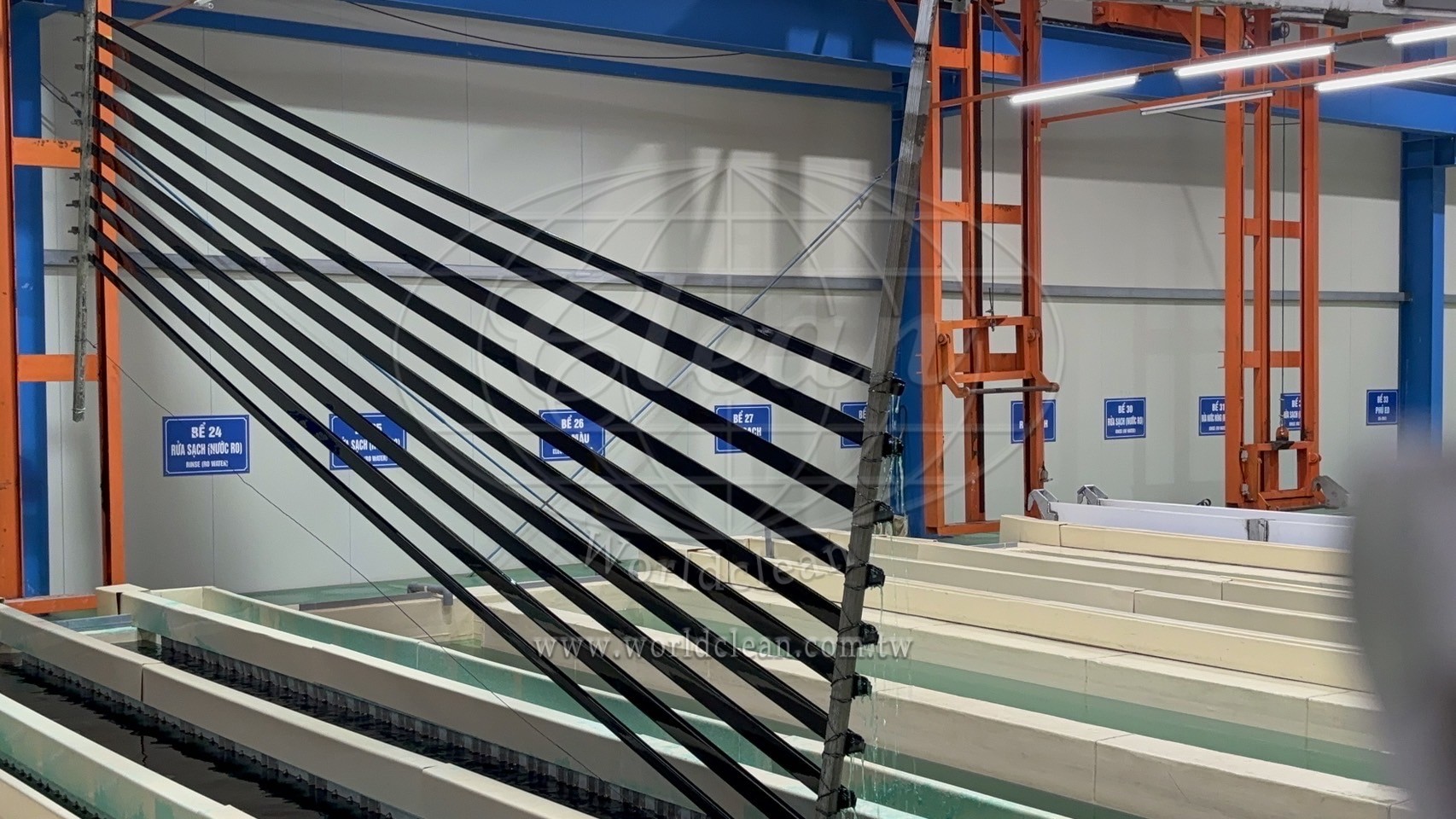
Aluminum Anodizing
Aluminum anodizing is a process applied to aluminum and its alloys—typically after casting or extrusion—to create a decorative and protective surface layer.
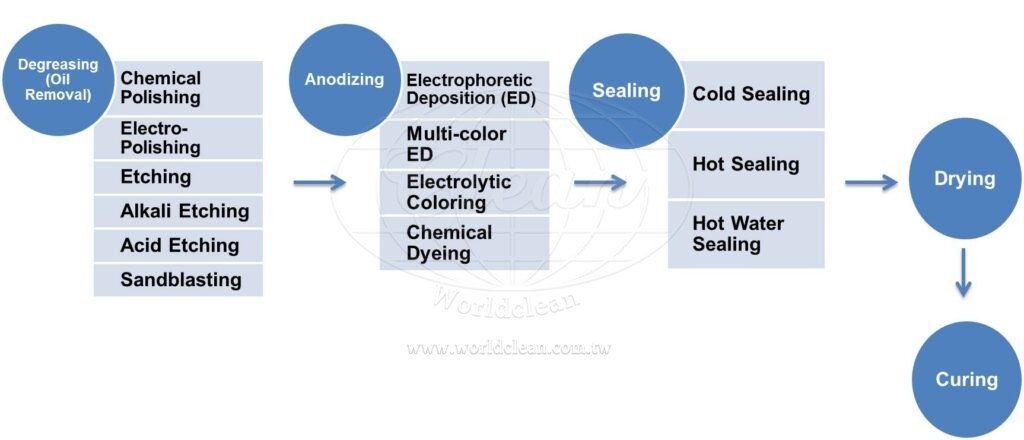
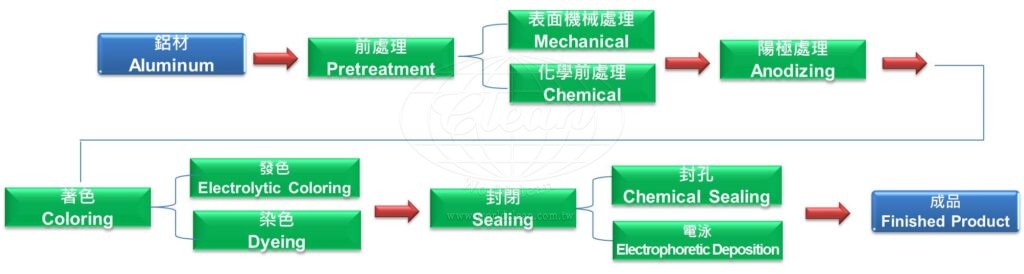
The surface of aluminum alloys oxidizes easily. While the natural oxide layer offers some passivation, it can peel off after long-term exposure, losing its protective function. Anodizing takes advantage of this oxidation tendency. Through an electrochemical process, it forms a controlled oxide layer that prevents further oxidation, enhances protection and decoration, and improves surface durability. Additionally, anodizing can create a variety of colors through chemical reactions, making the surface more attractive.
Anodized aluminum is widely used in many industries, such as:
- Architectural panels and window frames
- Medical instruments
- PDAs, mobile phones, computer cases, and laptops
- Sports equipment
- Solar panels
- Tweeters
- Aircraft
- Military hardware
- Copier rollers, and more
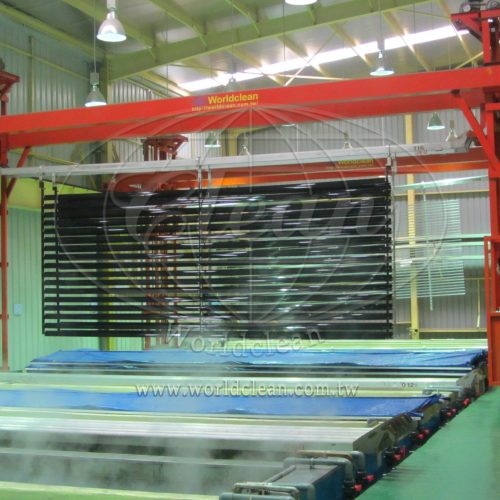
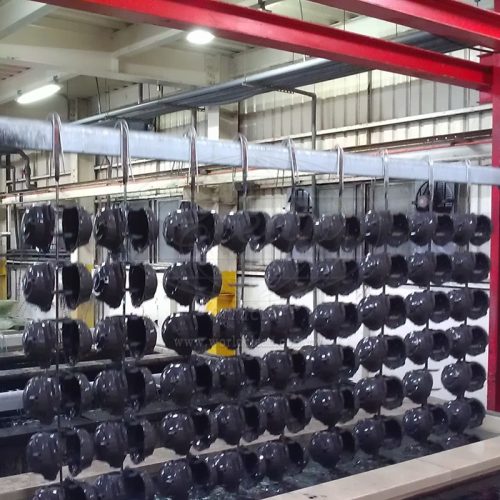
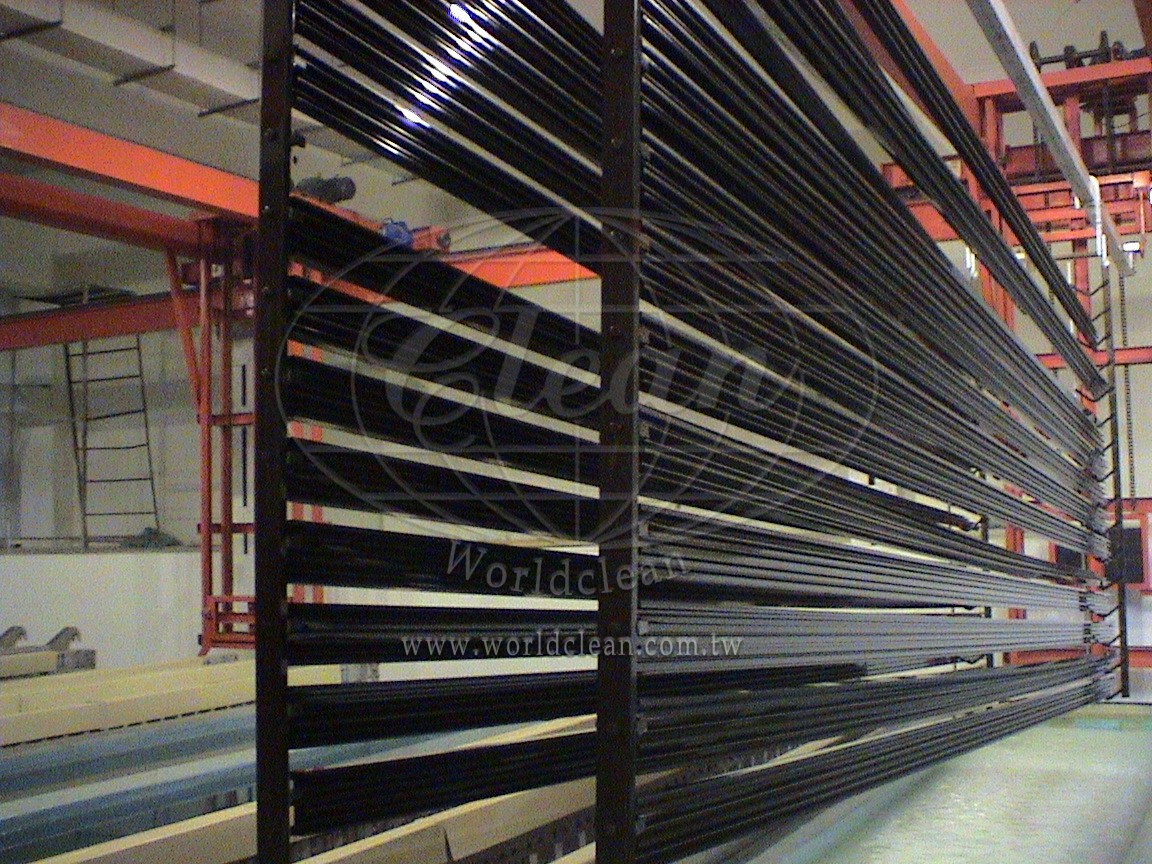
In the anodizing tank, the aluminum workpiece is placed as the anode. Under controlled voltage and current, a uniform oxide layer forms on the surface.
The purpose is to prevent further oxidation by using electrochemical principles to generate an aluminum oxide (Al₂O₃) protective layer. By adjusting the voltage and processing time, the film thickness can be controlled.
This anodized oxide layer gives the aluminum surface a bright, corrosion-resistant, and oxidation-resistant finish.
Coloring
Electrolytic Coloring (Secondary Electrolytic Coloring):
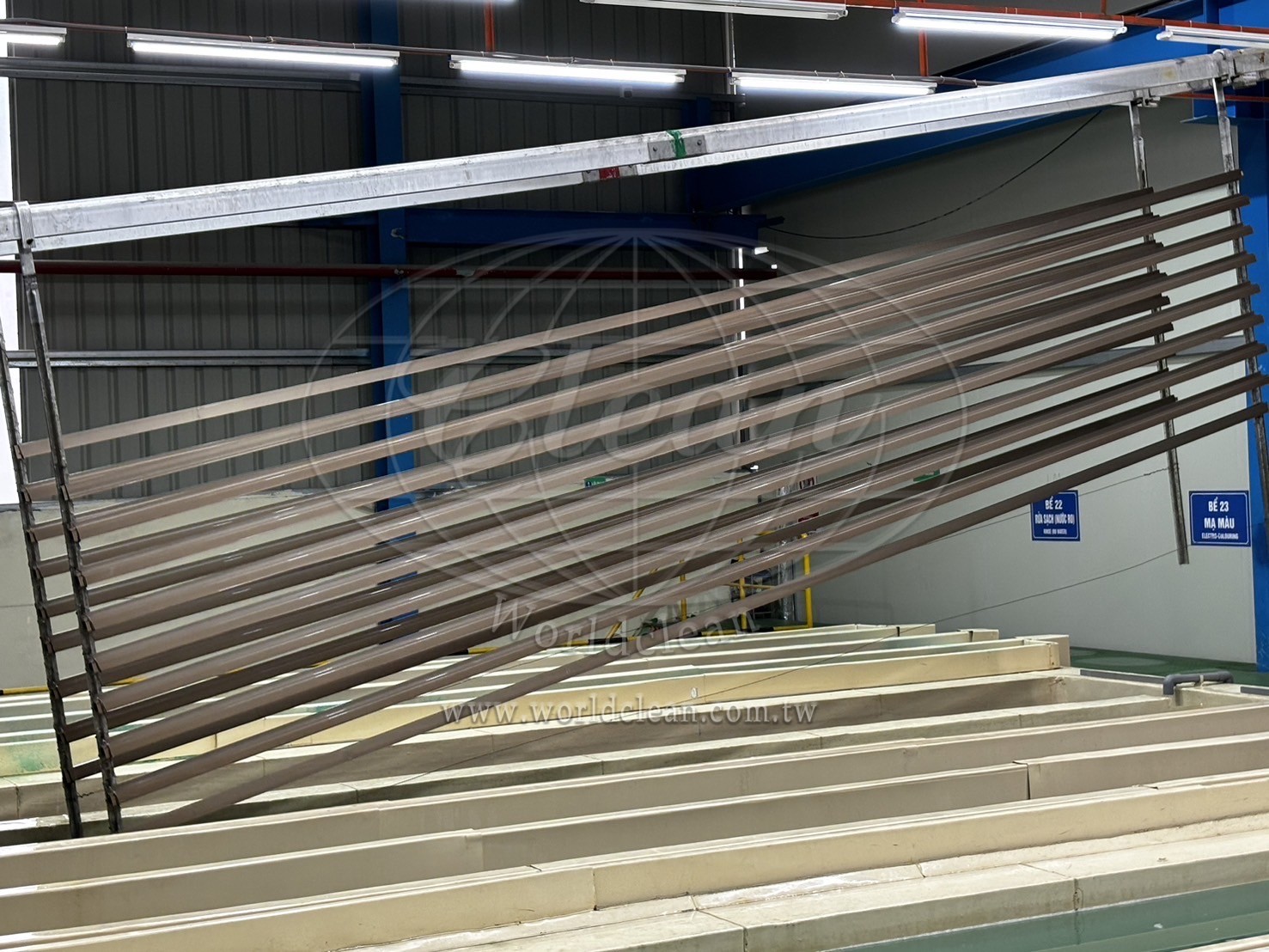
This process is widely used to add color to anodized aluminum. After forming the oxide layer, the aluminum is immersed in a metal salt electrolyte for a second electrolysis step. Metal cations deposit at the base of the oxide pores, creating color through varying accumulation and light refraction.
Common colors for architectural profiles include: Champagne, Bronze, Black, and Gold.
Dyeing
Depending on product needs, anodized aluminum surfaces can be dyed. After anodizing, the oxide layer can absorb dyes, producing the desired color. Dyes fall into two types:
- Inorganic (metal salt) dyes
- Organic (acid-based) dyes
Common colors for decorative parts include: Chemically polished and dyed finishes in gold, K-gold, blue, red, etc., depending on the dye color chart.
Sealing
To seal the anodizing film composed of fine, honeycomb-like cells.
- Sealing: Sealing is done using hot water above 90°C or with chemical sealing agents to enhance closure of the anodizing film.
- Electrophoresis: Electrophoresis Deposition ( AED or CED coating)